Do You Have to Label AI-Generated Videos on Instagram?
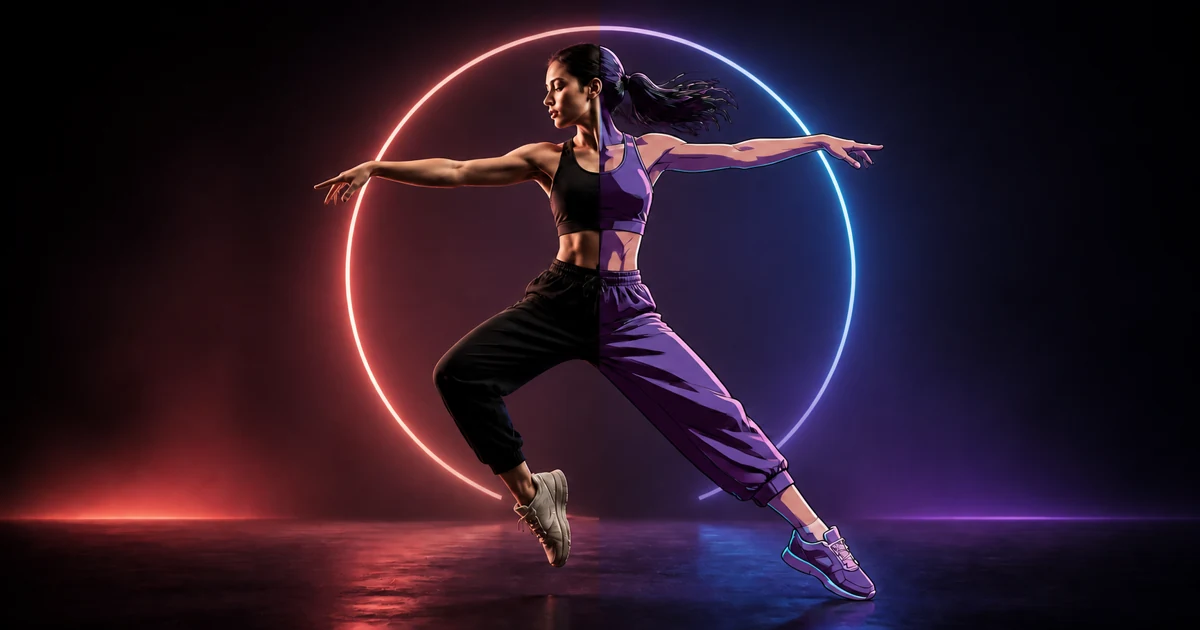
You have to disclose an AI-generated or AI-altered Instagram video when the finished Reel is photorealistic. Meta’s current rule does not put every obvious anime, cartoon, or toy-like animation in that mandatory category.
The practical test is the finished video. If it could pass for real footage of a person or event that did not happen, disclose it. If it is unmistakably animated, Meta’s stated photorealistic-video threshold does not require a label solely because AI was involved.
Meta changes its labels and product features, so we checked its
organic-content disclosure policy,
current AI info explanation,
and February 2026 policy update
on August 21, 2026.
The short answer
Meta requires people to use its disclosure tool when they post organic content
containing photorealistic video or realistic-sounding audio that was digitally
created or altered. This requirement applies across Instagram, Facebook, and
Threads. The resulting label is called AI info, and Meta says it may penalize
people who skip a required disclosure.
For Instagram Reels, the cases break down like this:
- A lifelike person replacement needs disclosure.
- A believable generated person or event needs disclosure.
- An obvious anime, cartoon, painted, clay, or toy-like character is outside the stated mandatory photorealistic-video threshold.
- A mixed or borderline result is safer to disclose.
An AI info label does not grant permission to post the video. Copyright,
likeness, harassment, impersonation, and other platform rules still apply.
Which AI-generated Instagram videos need a label?
Use the finished Reel, rather than the input image or app name, to make the decision.
| Your finished Reel | Disclose it? | Why |
|---|---|---|
| A photorealistic real person’s likeness doing a dance they did not perform | Yes | The video realistically changes what that visible person appears to have done. |
| A photorealistic invented person dancing in a believable room or street | Yes | The person may be fictional, but the video is still photorealistic and digitally created. |
| An obvious anime, cartoon, painted, clay, or toy-like character | Not required by Meta’s stated photorealistic-video threshold solely because AI was used | The finished video is clearly stylized rather than photorealistic. You can still disclose it voluntarily. |
| A stylized replacement inside otherwise real footage | Yes when the finished Reel could plausibly look like a real event; disclose if it is borderline | Real background footage does not make a substantial person replacement a minor edit. |
| Retouching or another small AI-assisted edit, with no generated character replacement | Do not treat it like full character generation | Meta distinguishes content that was only modified or edited from content it detects as generated. |
A photorealistic person replacement
Disclose the Reel when a realistic person appears to perform movement they did not perform. It does not matter that the choreography came from real footage. The visible subject has been digitally replaced, so the finished result depicts something that did not happen as shown.
The same answer applies to a realistic invented person. The rule is not limited to celebrities or recognizable individuals. Meta’s threshold is about photorealistic video that was digitally created or altered.
An anime, cartoon, or mascot
An unmistakably illustrated or toy-like character is different from a lifelike human replacement. Meta’s current mandatory organic-video rule is explicitly tied to photorealistic video. It does not say that every obvious animation must be disclosed because a generative tool helped make it.
Creators may still label stylized posts voluntarily. Instagram may also
recognize technical signals in a file and add AI info. An automatic label
does not change Meta’s stated photorealistic-video threshold.
Mixed real and generated footage
A real room, street, or dance video can make the answer less obvious. Focus on what a viewer could reasonably think happened. If the generated subject looks like a real person standing in a real location, disclose it. If the replacement is clearly illustrated but the overall Reel could still be read as footage of a real event, use the disclosure for the borderline case.
Calling it “only a character swap” does not turn a substantial replacement into a minor edit.
What the AI info label means
Meta can apply AI info in two broad ways: because the creator disclosed AI use
or because Meta detected industry-standard signals associated with an AI tool.
The label can tell viewers which of those routes caused it to appear.
Meta also distinguishes generation from lighter editing. When its systems
detect that a post was only modified or edited with an AI tool, Meta says the
information may appear inside the post’s menu. Content detected as generated can
receive the visible AI info label. High-risk media that could materially
deceive the public about an important matter may receive a more prominent
label.
Removing metadata does not remove the creator’s disclosure obligation. Likewise, the absence of an automatic label does not prove that a video falls outside the rule.
AI info is not the same as the AI creator profile label
Instagram’s official Creators account announced an AI creator label test
in May 2026. That optional account-level label is meant for profiles that often
create with AI. It can identify the general kind of work an account publishes.
It does not replace the post-level decision. A creator profile label cannot make an undisclosed photorealistic Reel compliant, and someone who posts one AI-assisted video does not automatically need to describe their whole account as an AI creator.
Instagram described the feature as a test, and availability can vary. We are not giving a settings path for it because the current official policy sources do not establish one stable path for every account.
How this applies after exporting from MoveAs
MoveAs combines a source motion video with a character image. When the result is ready, you can save it to Photos or open the standard iOS share sheet. MoveAs does not publish directly to Instagram, so make the disclosure decision when you create the later Instagram post.
Check the export once, without thinking about how you made it:
- Lifelike real person: disclose.
- Lifelike fictional person: disclose.
- Clearly anime, cartoon, painted, clay, or toy-like character: not required by Meta’s stated photorealistic-video threshold solely because AI was used.
- Stylized subject in otherwise real footage: disclose when the finished scene could be mistaken for a real event, and disclose a borderline result.
- Only a small cleanup edit: do not confuse that with replacing the main subject of a video.
The label gives viewers context about how the media was made. Permission to use someone else’s face, character, artwork, choreography, or music is a separate question.
Frequently asked questions
Do all AI-generated Instagram videos need a label?
No. Meta’s current mandatory rule for organic video is tied to photorealistic video that was digitally created or altered. A realistic person replacement needs disclosure; an unmistakably animated result is not in that stated mandatory category solely because AI was used.
Do anime or cartoon Reels need Instagram’s AI label?
Not under Meta’s stated photorealistic-video threshold when the finished Reel
is clearly stylized. Instagram may still add AI info based on technical
signals, and a creator can disclose voluntarily. A borderline result that looks
like real footage should be disclosed.
Does the AI info label hurt Instagram reach?
The current official organic-content sources reviewed for this guide do not promise either a reach penalty or a reach benefit from the label itself. Do not skip a required disclosure based on an unsupported algorithm theory.
Can Instagram add an AI label automatically?
Yes. Meta says it uses industry-standard signals from AI tools as well as creator self-disclosure. Its systems cannot identify every AI-generated file, so the absence of an automatic label does not remove your responsibility to disclose a photorealistic generated or altered video.
Posting the same clip elsewhere? Compare the TikTok AI-label guide and YouTube Shorts disclosure guide, or browse the MoveAs blog for more creator checklists.